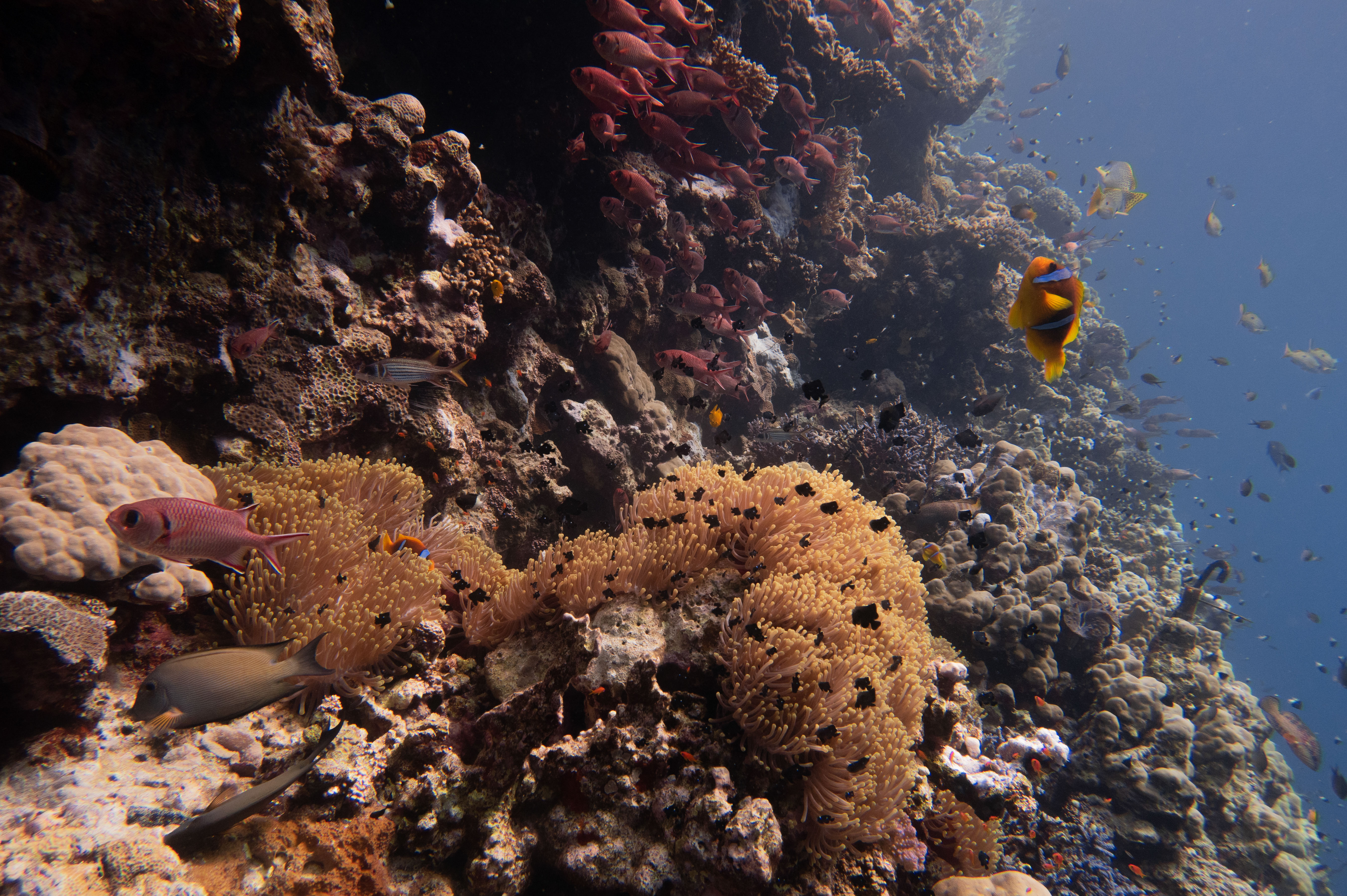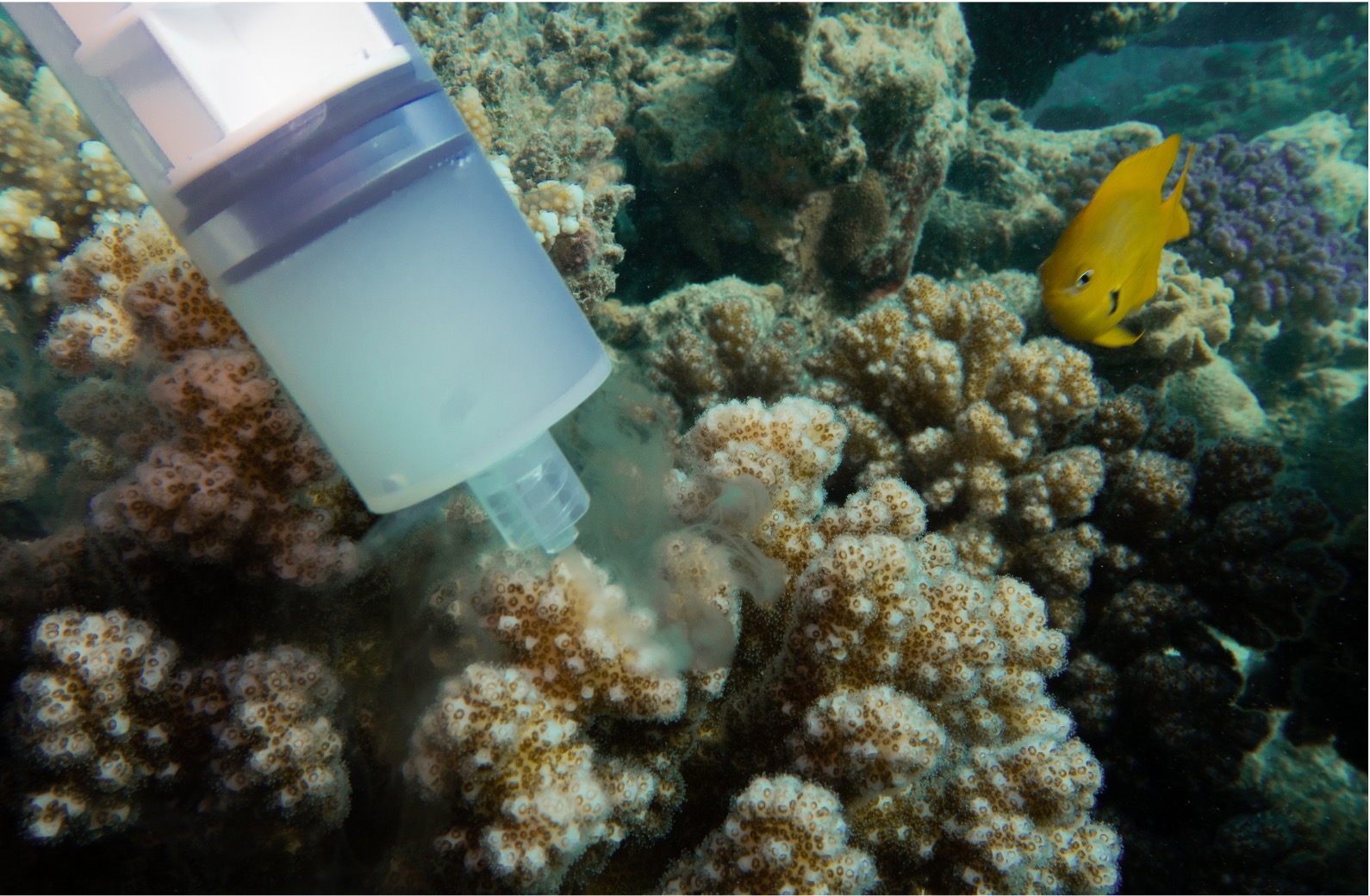
The use of Beneficial Microorganisms for Corals (BMCs) or coral probiotics is an emerging strategy in coral reef restoration. The Marine Microbiome's Lab at KAUST (King Abdullah University of Science and Technology) has demonstrated that the application of BMCs can help corals withstand the effects of thermal stress and disease. These beneficial microbes support coral health by enhancing immune responses, stabilizing the microbiome, promoting nutrient cycling, increasing antioxidant activity, and inhibiting pathogenic microbes.
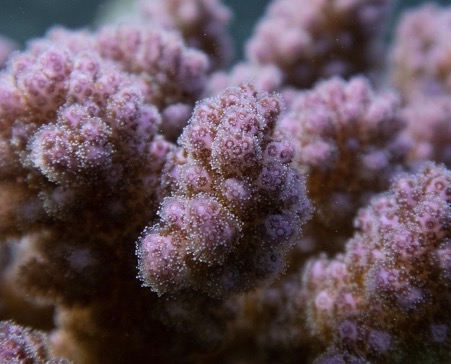
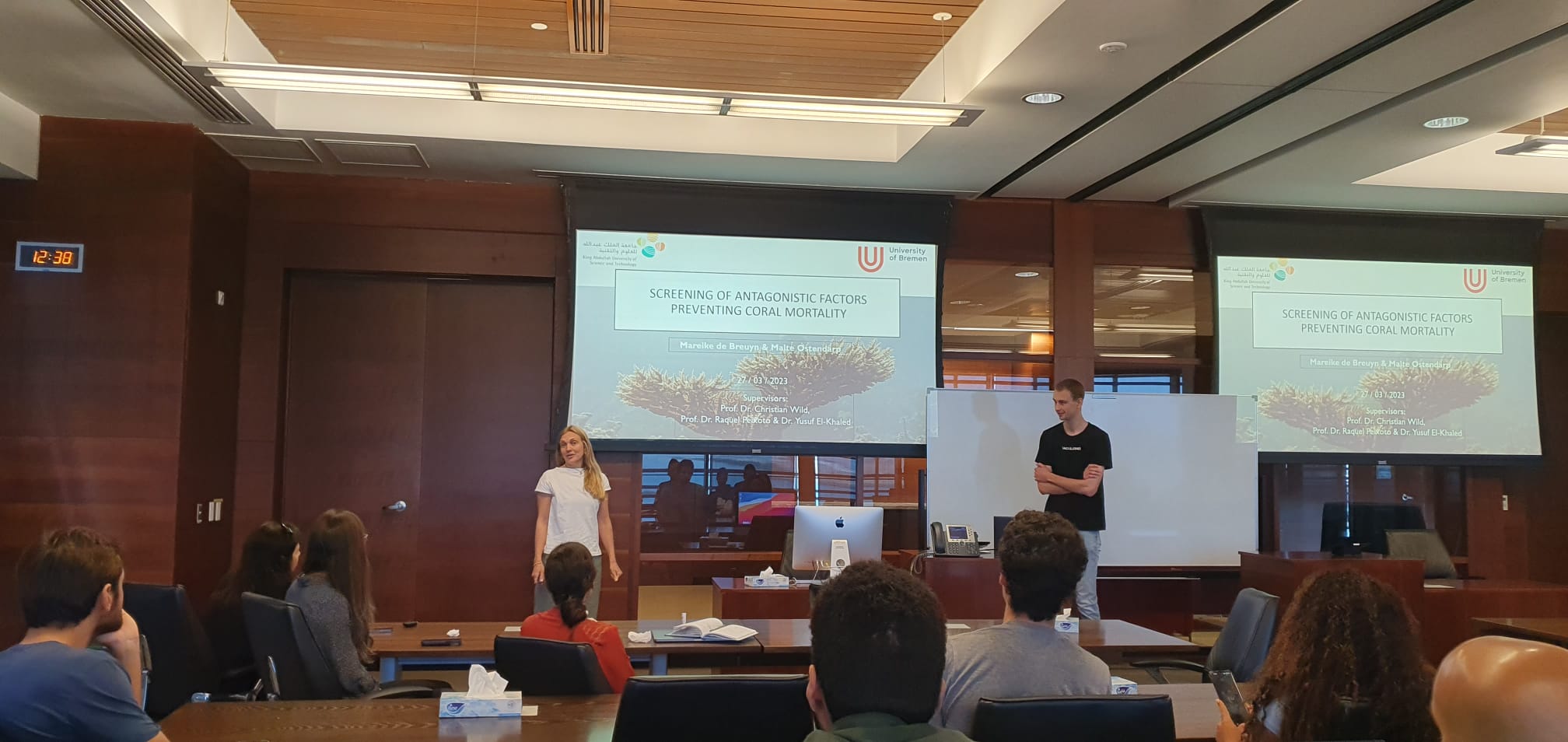
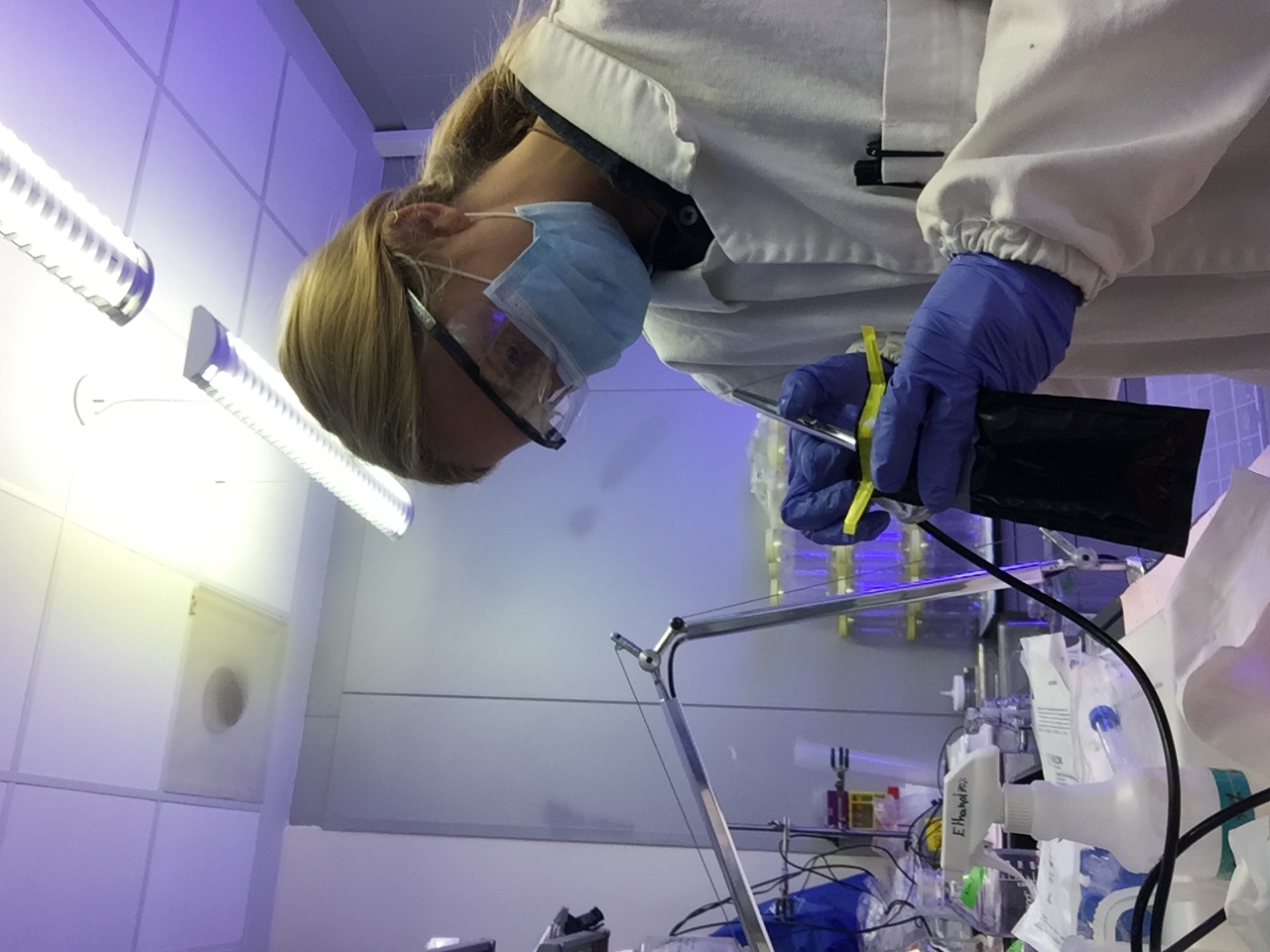
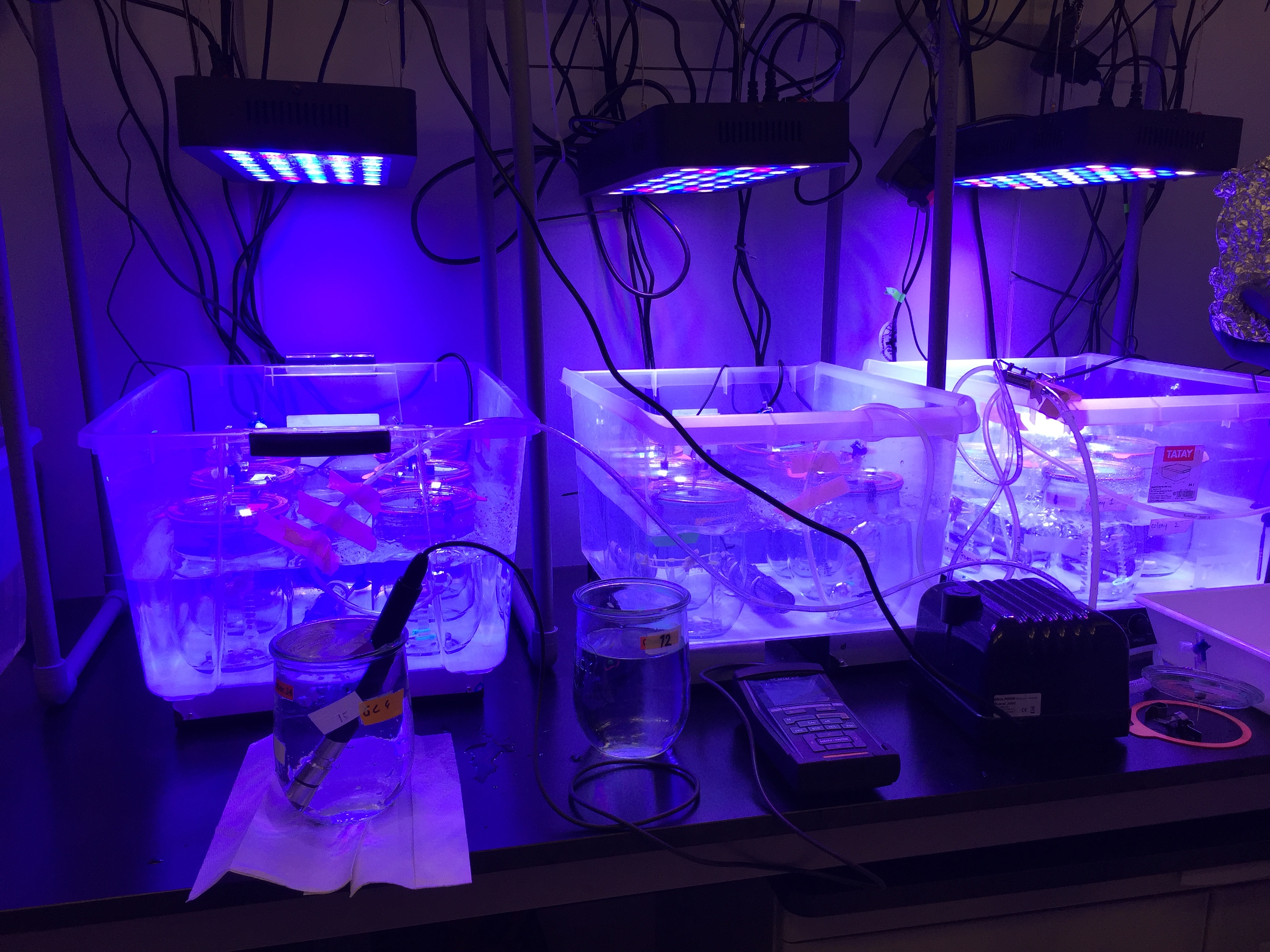
For my Master's thesis at the University of Bremen and in collaboration with the Marine Microbiome's Lab, I conducted experiments on the effects of probiotics on coral holobiont function under short-term heat stress, with a focus on photophysiology and nitrogen cycling pathways. Using a controlled aquarium experiment at KAUST, we investigated how probiotic treatment influenced coral holobiont function across two Red Sea species, Pocillopora verrucosa and Acropora hemprichii, after heat stress of two days.
Our results showed that BMCs significantly reduced mortality and improved photo-pyhsiology in the thermally sensitive coral A. hemprichii, while having no notable impact on the more heat-tolerant P. verrucosa. These findings provide valuable insights into the potential of microbiome-based interventions to enhance coral resilience in the face of climate-induced thermal stress.
Saudi Arabia